
Office air can fool you. It looks fine, but a meeting room turns into a sneeze festival by 2 p.m. The right air duct cleaning equipment helps crews pull out the stuff you never want to see on your desk. Think of it like cleaning behind the fridge, but for an entire building. Quiet, planned, and worth doing right.
Signs Your Office Ducts Need Attention
Start with the simple clues. Dust returns fast, even after cleaning crews just mopped and wiped. Some rooms feel stuffy while others feel like a wind tunnel. If the HVAC runs longer but comfort stays shaky, ducts may be part of the story. Listen to your people too. “My eyes feel dry every afternoon” is data, not drama. A musty smell that shows up when the system kicks on is another clue. So is visible debris around supply vents or return grilles. Office life is already a circus; air problems should not be another act.
How Office Layout Changes the Cleaning Plan
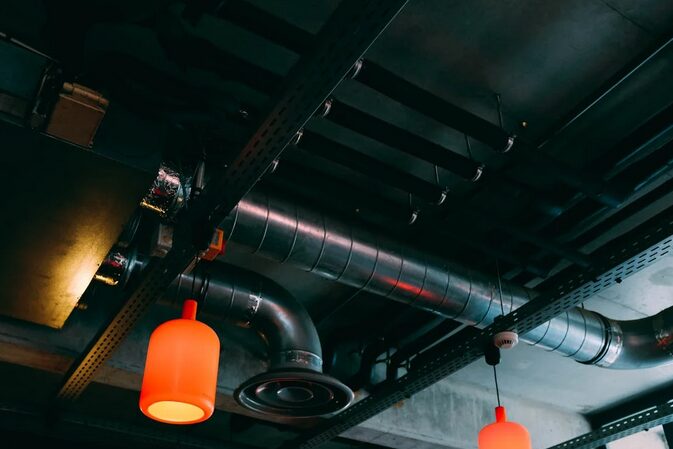
Offices are not houses with cubicles. You’ve got server rooms, conference spaces, and zones that run on different schedules. That means access points matter a lot. A good crew maps the system, then picks cleaning routes that avoid chaos. Ceiling tiles can hide long runs and surprise turns. Some buildings have older duct sections that don’t like aggressive brushing. Flex duct in certain areas needs gentler tools, or it can tear. The plan should fit the building, not a one-size script.
What a Low Disruption Job Should Look Like
Cleaning during business hours can work, but it needs choreography. Expect protective coverings, corner guards, and a clear path for hoses. Noise control matters because nobody wants a vacuum soundtrack during payroll calls. Ask how they manage dust containment so it stays out of workspaces. Scheduling should be logical. High-traffic zones get handled after hours or in short blocks. Teams should seal vents as they work so that debris doesn’t drift into offices. You want “We barely noticed them” feedback. That’s the gold star.
What to Ask Before You Hire a Contractor

Ask what method they use to create negative pressure. If the answer is vague, that’s a yellow flag. Ask how they confirm results, such as before-and-after photos or visual checks at key points. A clear explanation beats flashy talk every time. Also, ask about filtration and cleanup. Fine dust can behave like confetti at a parade, then show up later on keyboards. Ask what they do for coils, blower compartments, and returns if those areas are dirty too. You want a team that thinks in systems, not just vent covers.
Equipment Quality and Why It Matters for Offices
Offices have long duct runs and higher air volume than most homes. That demands strong suction, tight seals, and tools that can reach deep without losing pull. Weak gear makes the job slow, and slow jobs cost you time and patience. Good equipment keeps debris moving in one direction: out. This is where a reputable equipment source helps the contractor stay consistent. DuctPro Systems is often brought up by crews who want dependable setups for professional work. Solid machines, practical accessories, and contractor-focused design can reduce downtime. In an office setting, that means fewer surprises and a cleaner finish.