Air duct cleaning sounds pretty simple. You remove the dust and debris, clean everything up, and enjoy fresher air, right? Not always. If the job is rushed or handled incorrectly, cleaning your ducts can actually spread dust around your home, damage parts of the system, or leave behind the very debris you were trying to remove. The good news is that most problems are easy to prevent. Knowing what not to do can make the cleaning process much smoother and help protect both your HVAC system and your home.
Using the Wrong Equipment
One of the biggest mistakes is reaching for whatever vacuum or brush is nearby. Regular household equipment may not be designed to handle ductwork or collect the amount of dust and debris found inside a ventilation system. Professional Air Duct Cleaning Equipment is designed specifically for this type of work, helping remove buildup while keeping airborne debris under control. The right tools make cleaning more effective and reduce the chance of simply pushing dirt farther into the system.
Forgetting to Protect the Home
Even a good cleaning method can create a mess if you don’t protect the surrounding area first. Dust can escape from vents and settle on furniture, floors, walls, and other surfaces. Before you start, cover nearby furniture, protect flooring, and keep doors closed where possible. Taking a little time to prepare the room can save you from cleaning the entire house afterward.
Skipping the Initial Inspection
Another common mistake is starting the cleaning process without first looking inside the system. Ductwork can have loose insulation, damaged sections, disconnected joints, or other problems that aggressive cleaning methods shouldn’t address. A quick inspection can reveal issues before they worsen. It also helps you identify which areas need attention instead of cleaning everything without question.
Neglecting the Rest of the HVAC System
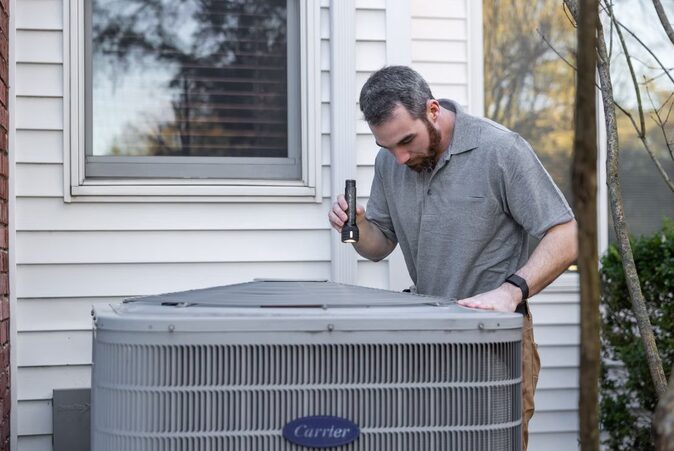
Your air ducts aren’t working in isolation. Other HVAC components can also collect dust and debris, and ignoring them may limit the results of a cleaning job. Depending on the system, areas such as coils, blower components, and other accessible parts may also need attention. The goal isn’t simply to make one section look clean; it’s to keep the entire system operating as effectively as possible.
Using Too Much Force
When something is dirty, it can be tempting to attack it as aggressively as possible. Unfortunately, ductwork isn’t always built to withstand rough handling. Excessive brushing or suction can damage flexible ducts, disturb insulation, or loosen connections. A controlled approach is much safer than assuming that more pressure automatically means a better clean.
Ignoring the Air Filter
Clean ducts won’t stay clean for very long if the HVAC filter is packed with dust. A clogged or neglected filter can allow more particles to circulate through the system, quickly undoing some of the benefits of cleaning. Checking the filter should be part of the process, and replacing it when needed is one of the easiest ways to support better airflow and reduce dust buildup.
Focusing Only on Visible Dirt
Seeing dust around a vent doesn’t necessarily mean you’ve found the main problem. Wiping down vent covers can make them look spotless while leaving significant debris deeper inside the system. Focusing only on what is easy to see can create a false sense that the entire system has been cleaned. A more thorough approach considers the ductwork, registers, grilles, and other relevant components as a whole.
Waiting Until There’s a Major Problem
Many homeowners don’t think about their air ducts until they notice excessive dust, strange smells, poor airflow, or another obvious issue. While those signs can be reasons to investigate, regular attention can help prevent small problems from becoming bigger ones. Keeping filters maintained and watching for changes in airflow or indoor dust levels makes it easier to recognize when the system needs professional attention.
Air duct cleaning shouldn’t create a bigger mess than the one you’re trying to solve. Using the wrong equipment, skipping preparation, applying too much force, and overlooking other parts of the HVAC system can all reduce the job’s effectiveness. A careful approach, suitable equipment, and sensible maintenance can help keep your ductwork and home in better shape. When in doubt, getting a qualified professional to inspect and clean the system can save you time, frustration, and potentially expensive repairs.…